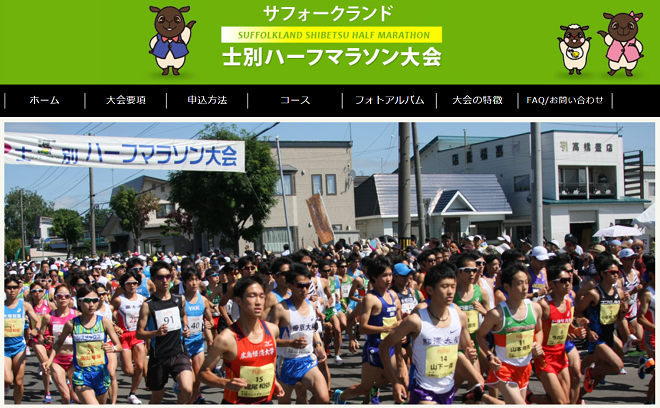
士別ハーフマラソン 2024 結果・速報(リザルト)エントリー3月10日開始?
Kawaii is a Japanese concept that has taken the world by storm. The word itself means cute, but it encompasses much more than just the physical appearance of something. It is a cultural phenomenon that influences fashion, art, entertainment, and even behavior in Japan.
One of the most famous aspects of kawaii culture is Hello Kitty, a fictional character created by Sanrio in 1974. With her cute appearance and simple design, Hello Kitty has become a global icon, adorning everything from stationary to clothing to home goods. Another popular character is Pikachu from the Pokémon franchise, known for its adorable yellow electric mouse-like appearance.
Kawaii culture extends beyond just characters and extends to everyday life in Japan. Many girls and young women in particular strive to embody the kawaii aesthetic by dressing in girly, pastel-colored clothing, wearing bows and ribbons in their hair, and using cute accessories. This can be seen in the popular Harajuku district of Tokyo, known for its colorful and creative street fashion.
The kawaii trend has also influenced the food industry in Japan, with many cafes and restaurants serving up dishes that are not only delicious but also visually appealing. Bento boxes, or Japanese lunch boxes, are often carefully arranged to look like cute animals or characters, making them perfect for posting on social media.
Kawaii culture has also made its mark on the entertainment industry in Japan, with many music groups and idols embracing the cute and bubbly image. Groups like AKB48 and Perfume are known for their catchy songs and colorful performances that appeal to fans of all ages.
Overall, kawaii culture has become a significant part of Japanese society, influencing everything from fashion to food to entertainment. Its appeal lies in its ability to bring joy and positivity to everyday life, making it a beloved aspect of Japanese culture that continues to captivate people around the world.