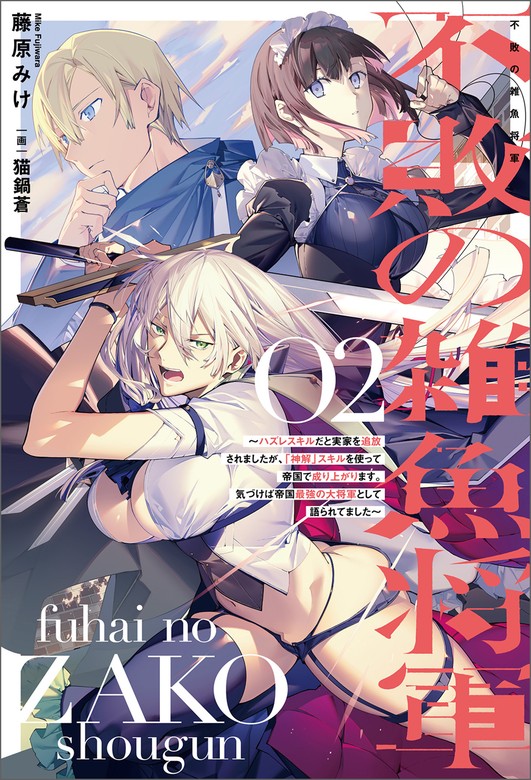
不敗の雑魚将軍~ハズレスキルだと実家を追放されましたが、「神解」スキルを使って帝国で成り上がります。気づけば帝国最強の大将軍として語られてました~(サーガフォレスト)2?
Ukiyo-e: The Art of the Floating World
Ukiyo-e (浮世絵) is a genre of Japanese art that flourished during the Edo period (1603-1868). The term “ukiyo-e” literally translates to “pictures of the floating world” and refers to the transient world of pleasure and entertainment that was popular among the common people in Japan during that time.
Ukiyo-e prints are woodblock prints that were mass-produced and widely circulated, making them accessible to a wide audience. These prints often depicted scenes from everyday life, kabuki actors, beautiful courtesans, landscapes, and folk tales. They were inexpensive and served as a form of entertainment for the masses.
One of the most famous ukiyo-e artists is Katsushika Hokusai, known for his iconic work “The Great Wave off Kanagawa.” This print, part of his series Thirty-Six Views of Mount Fuji, is instantly recognizable and has become a symbol of Japanese art worldwide.
Another renowned ukiyo-e artist is Kitagawa Utamaro, known for his elegant depictions of women. His prints often showcased the beauty and grace of courtesans and geisha, capturing the essence of the floating world in exquisite detail.
Ukiyo-e prints were produced through a labor-intensive process that involved a team of artisans, including the artist, block cutter, printer, and publisher. Each color in the print required a separate block to be carved, making the final product a collaborative effort.
While ukiyo-e prints were originally created for mass consumption, they have since gained recognition as fine art. Collectors around the world prize these prints for their beauty, craftsmanship, and historical significance. Museums and galleries often hold exhibitions showcasing ukiyo-e prints, attracting visitors interested in Japanese art and culture.
The influence of ukiyo-e can be seen in modern art forms, such as manga and anime, which have borrowed elements of composition and style from these traditional prints. The legacy of ukiyo-e continues to captivate audiences and inspire artists to this day.
In conclusion, ukiyo-e is a unique and treasured art form that offers a window into the vibrant culture of Edo-period Japan. Its beauty and craftsmanship have stood the test of time, earning it a lasting place in the hearts of art enthusiasts around the world.